


Learn about the CITISLAB tactile panel installed in the former Hydroelectric Power Plant in Bedizzole: accessibility, museum route and territory enhancement.
The new redevelopment of theformer Hydroelectric Power Plant in Bedizzole (Brescia), a historic site located along the Chiese River in the heart of Valtenesi, has been inaugurated. A Tactile Panel of Architecture made by CITISLAB, an innovative tool designed to improveaccessibility,orientation and thevisiting experience for residents and tourists, has been installed inside the renovated museum route.
The redevelopment project, overseen by Brescia-based studio Progetto B20, transformed the power plant into a true museum of industrial archaeology, capable of telling the story of the building and the surrounding area. The structure, immersed in a natural landscape of great value, is also the starting point of the Heron Park bicycle and pedestrian path, an itinerary that runs along the Chiese River and connects some of the main places of environmental interest in the municipality of Bedizzole and the province of Brescia.
Thanks to this intervention, the Former Hydroelectric Power Plant becomes a new cultural and tourist reference point for those who wish to discover the historical, landscape and natural heritage of the Brescia area.
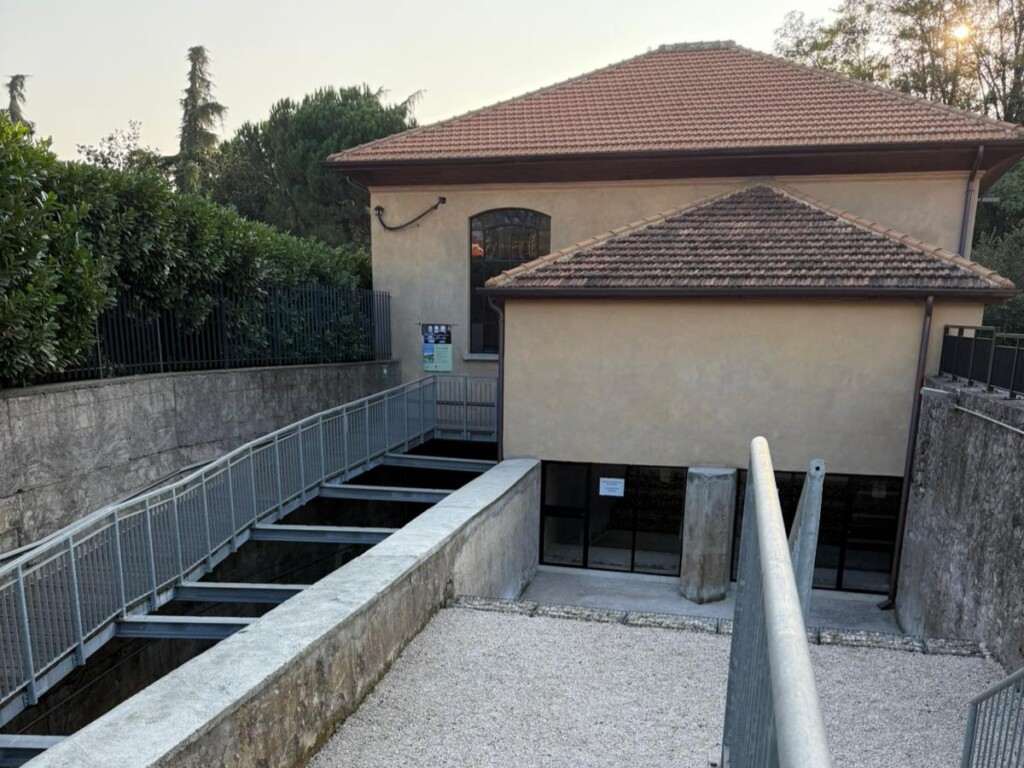
The former Hydroelectric Power Station of Bedizzole (Bs)

The interior of the former Hydroelectric Power Plant in Bedizzole (Bs).
A more accessible and engaging visitor experience
The new tactile panel integrates harmoniously into the Central Station’s exhibition route. With raised tactile maps of the area plan and the Power Plant, visitors can orient themselves in the spaces and delve into the architectural structure in a clear, intuitive and immersive way.
The goal is to improveaccessibility by providing a visitation experience that can be enjoyed by all people:
- visitors with visual impairments,
- schoolchildren,
- tourists,
- residents interested in rediscovering the historical memory of the area.
A small intervention, however, capable of contributing significantly to the cultural enhancement of the former Power Station and its context.
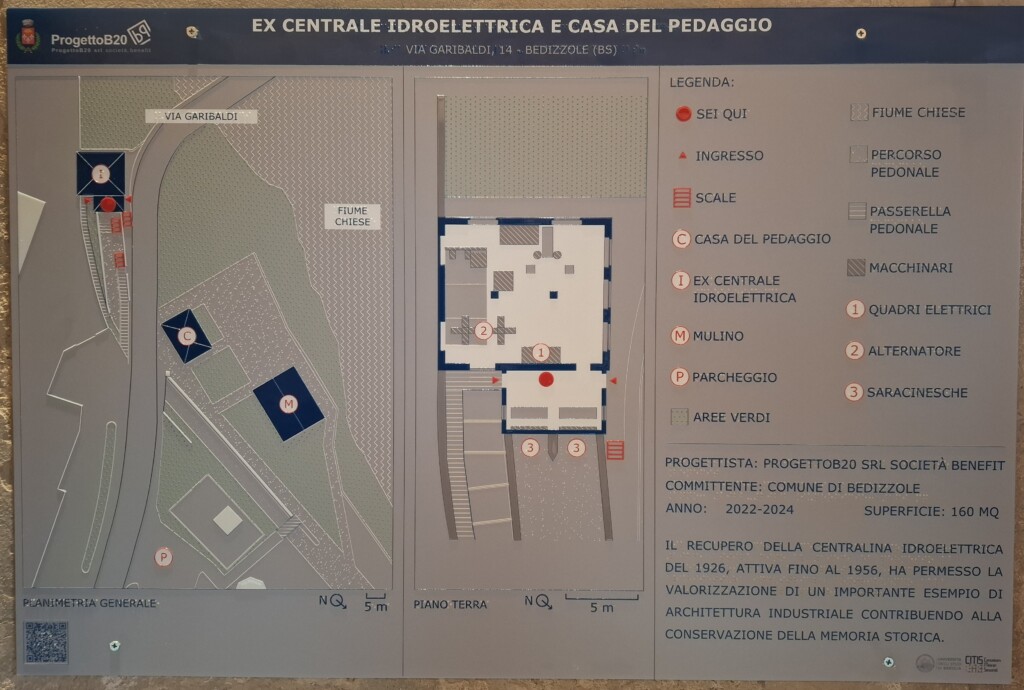
The tactile map installed at the former Hydroelectric Power Plant in Bedizzole (Bs).
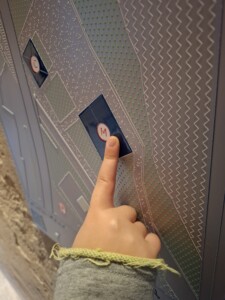
The tactile map installed at the former Hydroelectric Power Plant in Bedizzole (Bs).
What CITISLAB’s Tactile Architecture Panels are.
TATTILE ARCHITECTURE Panels are the result of years of research and experimentation conducted by CITISLAB, with a specific goal: to make architectural and cultural spaces accessible.
Why are they innovative?
- They are designed for museums, historic buildings, archaeological sites and urban public spaces.
- They offer tactile and visual references that facilitate orientation even in complex environments.
- They are not only designed for people with visual impairments: they improve the understanding of space for any type of visitor.
- They use relief maps, intuitive symbols, and clear architectural representations to make routes, points of interest, and valuable features legible.
- They also integrate descriptive texts in Braille, ensuring accessibility of content.
- Using a QR code, they provide smartphone access to additional multimedia content (audio, images, insights).
These panels thus become key tools for museums, public administrations, tourist boards and planners who want to improve the accessibility of their spaces.
A vision for the future: accessibility, urban regeneration and cultural tourism
The installation at the former Hydroelectric Power Plant in Bedizzole demonstrates how CITISLAB solutions can be integrated into urban regeneration projects, historical heritage enhancement and inclusive cultural tourism.
Investing inaccessibility means:
- Enrich the visiting experience for all,
- Making spaces more welcoming,
- Promote conscious and sustainable enjoyment of heritage,
- Expand the potential audience of cultural venues.
Visit the Former Hydroelectric Power Plant and discover the new CITISLAB Touch Panel.
We invite everyone to visit the former Bedizzole Hydroelectric Power Plant to see the new Tactile Architecture Panel up close-a small tool that opens up great possibilities for exploration and knowledge.
A concrete step toward a future in which inclusiveness and cultural enhancement proceed together, improving the quality of experiences in places of history and architecture.