


Animals, plants, scientific processes: universes finally accessible
Inclusive science dissemination is a fundamental requirement to ensure access to knowledge for all people, including those with sensory and cognitive disabilities. To achieve this goal and facilitate the overcoming of communication barriers by offering experiential, concrete and participatory learning, CITISLAB’s multisensory tools, such as the
Animal universe: communicating forms and behaviors
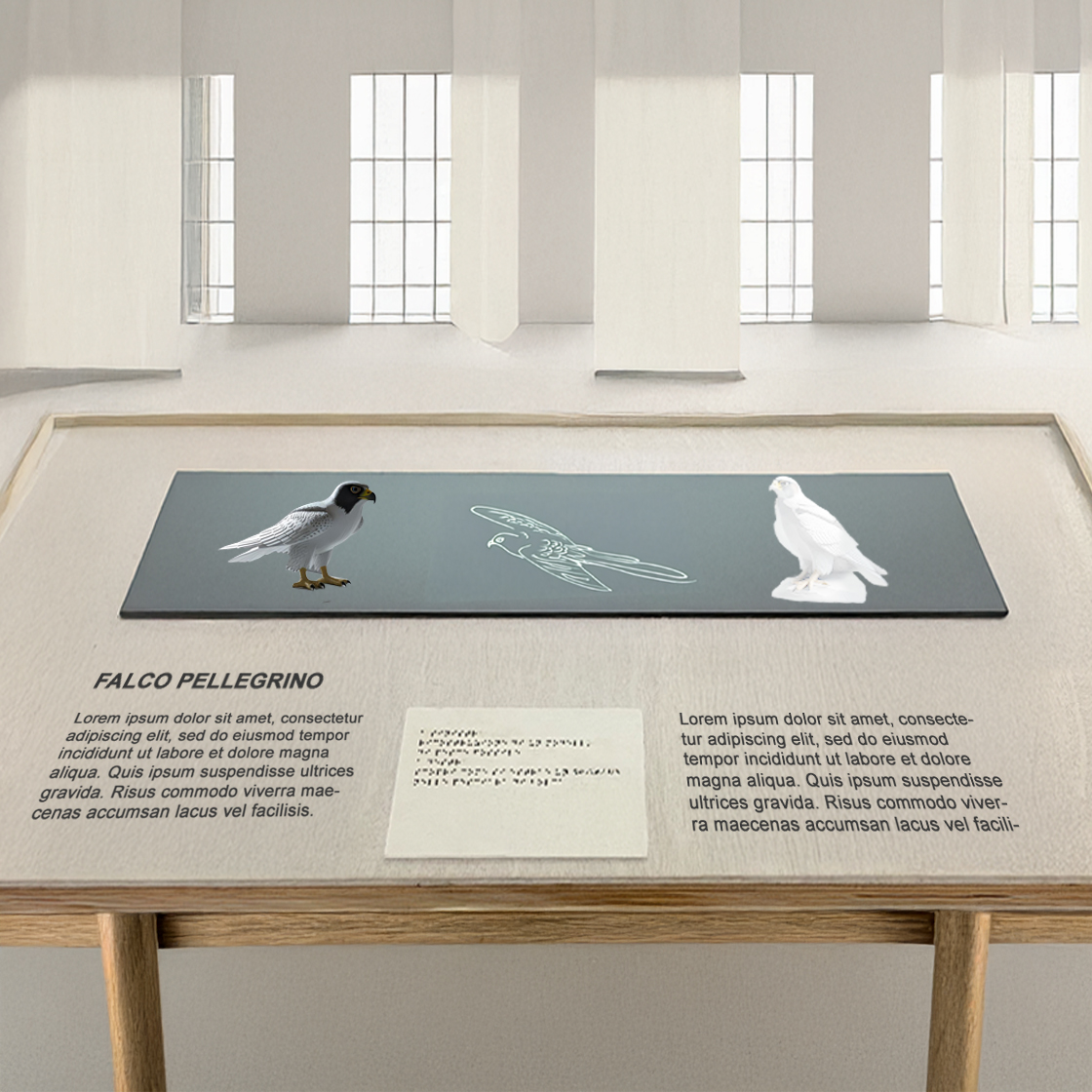
CITISLAB’s Tactile Science Panels facilitate scientific communication of animal world themes, since through relief drawings, Braille lettering, and bas-reliefs they are a valuable tool for describing both the morphology of species and the habitat and behavior of each in a way that can be perceived by all. The Tactile Science Panels, with
Through these products , science museums, educational institutions, parks and research centers can ensure a deeper understanding of animals not only as living beings but as integral parts of complex ecosystems.
Plant universe: communicating vegetation
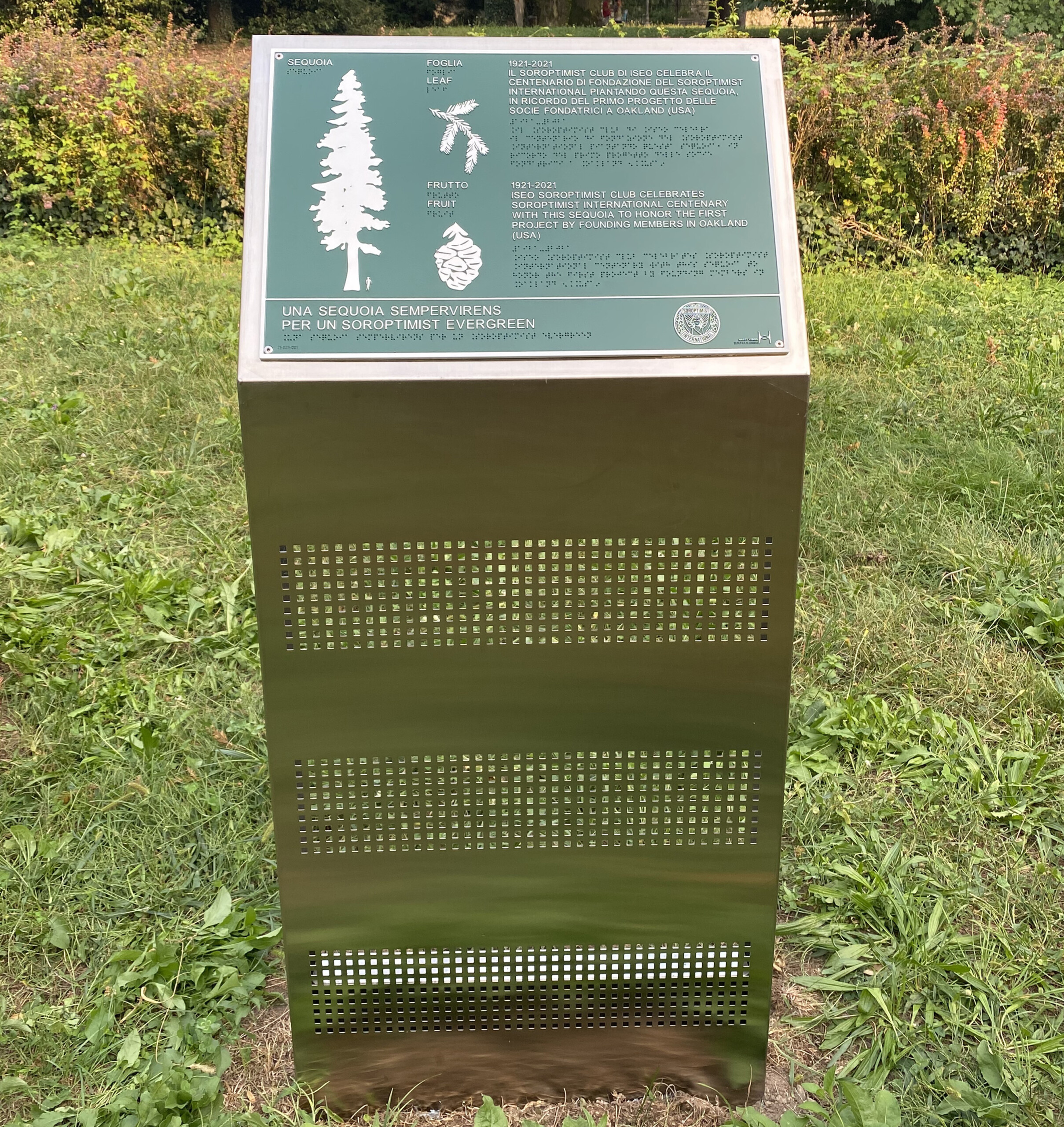
Plant heritage needs an effective inclusive narrative through which it is possible to educate and raise awareness toward sustainability issues.
CITISLAB produces the Tactile Science Panels containing reinterpretations through relief transpositions of the botanical data sheets: thus they contain tactile reliefs of the plant shape flanked by the human figure for its correct proportioning, relief drawings or bas-reliefs of the leaves and barks thanks to which it is possible to distinguish tree species through direct comparison of the shapes and tactile drawings or bas-reliefs of flowers and fruits, possibly accompanied by diagrams to explain processes such as pollination or dissemination. Descriptive texts in clear and Braille accompany the tactile images, providing essential scientific information while in-depth content is embedded in the QR Code or conveyed through interactive technologies. Our Olfactory Installation enables. to implement the Panel’s exploration with fragrances of the plant or flower that is the subject of the panel. The variety of this content transforms visual observation into a multisensory experience, ensuring that plant diversity can be learned even without visual support.
Telling scientific processes: sustainability and agriculture
In addition to the description of organisms, we are aware of how crucial it is to communicate in an accessible way, according to Design for All, the scientific processes that govern natural and human life.
Tactile Science Panels can be a valuable support in communicating biological cycles: photosynthesis or the water cycle or meteorology can be represented with tactile transpositions of diagrams, diagrams, tactually manipulated photographs, and with possible bas-reliefs. Similarly, it will be possible to proceed with regard to communicating sustainable agricultural processes such as crop rotation, use of water resources, agroecology practices, and topics related to research on the Agritech world and the relationship between livestock, crops, and environmental sustainability.
Communicating not only data but also scientific processes allows for a dynamic view of nature and human practices. This approach has obvious social and educational value and is useful not only for those with sensory or cognitive disabilities, but enriches the educational journey and the process of awareness and growth of any user, stimulating a deeper understanding based on multisensoriality.
The tactile panels that CITISLAB elaborates possess all the characteristics dictated by the rules of good execution of tiflological tools, which make their sign effective and universally accessible. For example: correct implementation of the reliefs and Braille alphabet, preparation of simplified drawings but with non-reductive content, clarity in the contour lines of the figures, respect for the proportions of the elements. In addition, the tactile panels we propose comply with the laws and regulations currently in force regarding the usability of places and the overcoming and elimination of architectural barriers.
In the design of this type of tactile panels, an accessible graphic language has been studied that renders scientific themes at the various scales of reduction, identified on a case-by-case basis, in the most effective and communicative way.
The accessible and inclusive communication of science-related topics finds its greatest expression in the creation of Thematic Itineraries and in particular theLandscape Itinerary that CITISLAB proposes: through the composition of the different products including the Tactile Science Panels, stimulating multisensory experiential routes can be proposed , creating for example an accessible educational vegetable garden, in which relief drawing, tactile surfaces, bas-reliefs, smells and sounds accompany the scientific explanation through writing in clear and Braille, or tactile routes in green spaces, with guided walks in parks, integrated with tactile supports and sound descriptions.
Scientific knowledge of the animal and plant world, as well as processes related to sustainability and agriculture, must be made accessible through tactile and inclusive languages.
CITISLAB’s proposals, the result of much reflection and study, take the form of necessary tools for accessible, fulfilling and satisfying dissemination, for communicating science by considering it a shared heritage, in ways that can involve every citizen and can reflexively orient society toward greater environmental awareness.